Applications include groundwater and soil treatment, ozone oxidation, carbon filtration services, and subsurface utility clearance. Systems are engineered to control contamination, restore environmental quality, and support safe site development.

Groundwater remediation systems are designed to control contaminant migration and restore water quality through proven treatment and hydraulic management methods. Applications support both short-term response actions and long-term corrective remediation strategies across a range of site conditions.
Common groundwater treatment approaches include pump and treat systems, ozone treatment, chemical injection, temporary dewatering, and controlled stormwater discharge management. System design integrates mechanical, electrical, and monitoring components to maintain reliable performance and regulatory compliance throughout the remediation lifecycle.
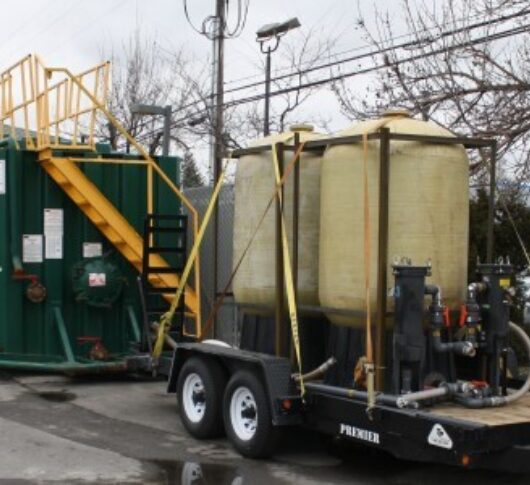
Soil remediation technologies are applied to reduce contaminant concentrations, control vapor migration, and prepare sites for redevelopment or continued operation. Treatment strategies are selected based on contaminant type, subsurface conditions, and project-specific cleanup objectives.
Typical soil remediation methods include vapor extraction, air sparging, biosparging, ozone technology, chemical injection, and targeted excavation. Integrated system design supports effective contaminant removal while maintaining safe and controlled field operations.
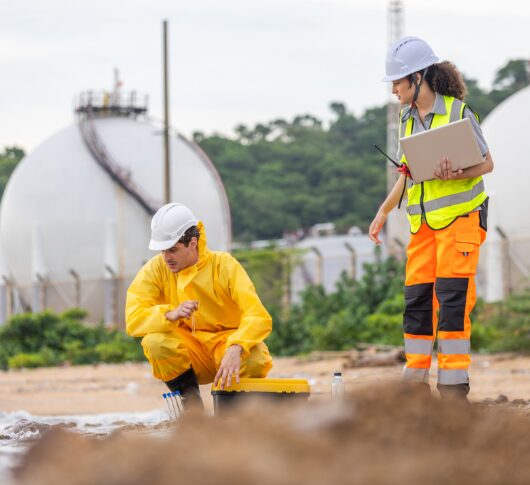
Ozone treatment provides a powerful oxidation process for addressing organic contaminants, biological growth, and odor-causing compounds in environmental and industrial systems. Applications span groundwater remediation, cooling tower treatment, water purification, odor control, aquaculture support, and food-related processing environments.
System implementation focuses on controlled ozone generation, safe delivery, and consistent treatment performance tailored to each operating condition. Proper integration with monitoring and operational controls ensures effective treatment while maintaining system safety and efficiency.
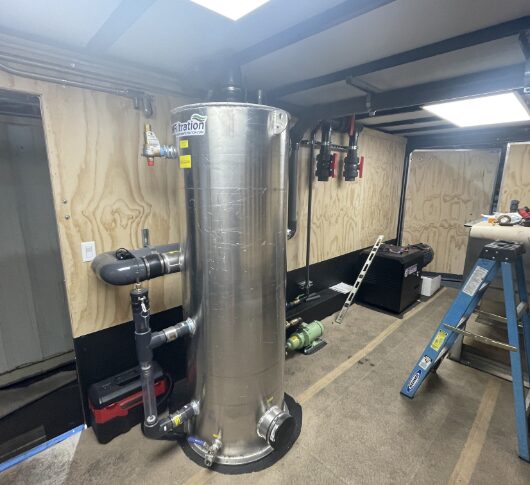
Carbon treatment systems are used to remove dissolved contaminants, organic compounds, and residual treatment byproducts from water and vapor streams. Reliable carbon performance depends on proper installation, scheduled change-outs, and continuous monitoring of treatment efficiency.
Services include carbon vessel installation, media replacement, and operational monitoring to maintain consistent contaminant removal. Coordinated service planning helps minimize downtime while supporting regulatory compliance and long-term system reliability.
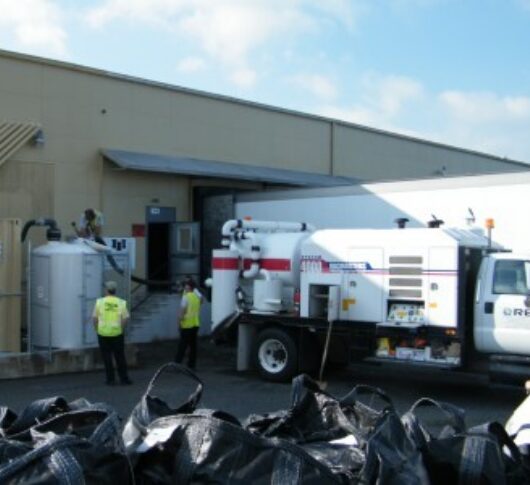
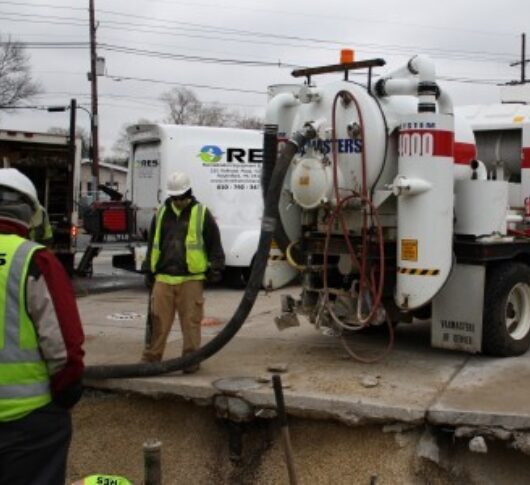
Subsurface utility clearance technologies are used to safely identify and expose buried infrastructure prior to drilling, excavation, or construction activities. Precision location and controlled excavation reduce the risk of damage to existing utilities while improving overall site safety.
Capabilities include soft-dig vacuum excavation, underground utility identification, exposure of buried pipes, conduits, outfalls, vaults, and cables, and clearing locations for wells, soil borings, piling, and mast installation. Keyhole excavation methods support preventative maintenance, inspection, and targeted access in constrained project environments.
Applications include groundwater and soil treatment, ozone oxidation, carbon filtration services, and subsurface utility clearance. Systems are engineered to control contamination, restore environmental quality, and support safe site development.
Treatment selection depends on contaminant type, subsurface conditions, cleanup objectives, and regulatory requirements. Methods may include pump and treat, vapor extraction, chemical injection, air sparging, biosparging, or ozone treatment.
Ozone is applied in groundwater remediation, cooling towers, water treatment, odor control, aquaculture systems, and certain food-related environments. Controlled delivery allows effective oxidation while maintaining operational safety.
Carbon services include installation, scheduled media change-outs, and performance monitoring. Ongoing maintenance ensures consistent contaminant removal and regulatory compliance.
Utility clearance safely identifies and exposes buried infrastructure to prevent damage during construction or remediation work. Soft-dig vacuum excavation and keyhole access improve safety, accuracy, and project efficiency.

Connect with our engineering and field team to review site conditions, system requirements, or operational support needs across a wide range of remediation environments.

© 2026 - All Rights Are Reserved. Remediation Equipment & Services